

“Halal Certified” vs “Muslim Friendly” — what’s the difference?
“Should I skip restaurants without certification?”
“Which type should I choose in Japan?”
Confused while restaurant-hunting in Japan? You’re not alone 🍽️
In Japan, you’ll see both “Halal Certified” and “Muslim Friendly” labels everywhere. They sound similar — but they’re not the same thing.
This guide breaks down the difference clearly. Plus, how to pick the right restaurant for you ✨
1. Why It Gets Confusing in Japan 🤔
When searching for restaurants in Japan, you might wonder:
- “Are non-certified places risky?”
- “How much can I trust ‘Muslim Friendly’?”
- “What’s the right approach here?”
Totally normal questions.
Here’s the thing: Japan isn’t a Muslim-majority country. There’s no single national halal standard. That’s why labels vary from shop to shop.
Once you understand the difference, choosing gets much easier 🍀
For the bigger picture, see our full halal Japan guide.
2. The Short Answer: They’re Different ✨

Quick definitions:
✅ Halal Certified
A third-party agency has checked the ingredients, kitchen, and process — and confirmed it meets halal standards.
Officially verified. Easy to trust.
✅ Muslim Friendly
The restaurant makes efforts for Muslim travelers. For example:
- Uses halal meat
- No pork
- Alcohol-free menu options
- Open to prayer questions
- Staff knows how to explain dishes
But: “Muslim Friendly” doesn’t always mean officially certified ⚠️
So in short:
- Halal Certified = official “stamp of approval”
- Muslim Friendly = thoughtful accommodation
📊 Side-by-Side Comparison
3. Why Both Exist in Japan 🇯🇵
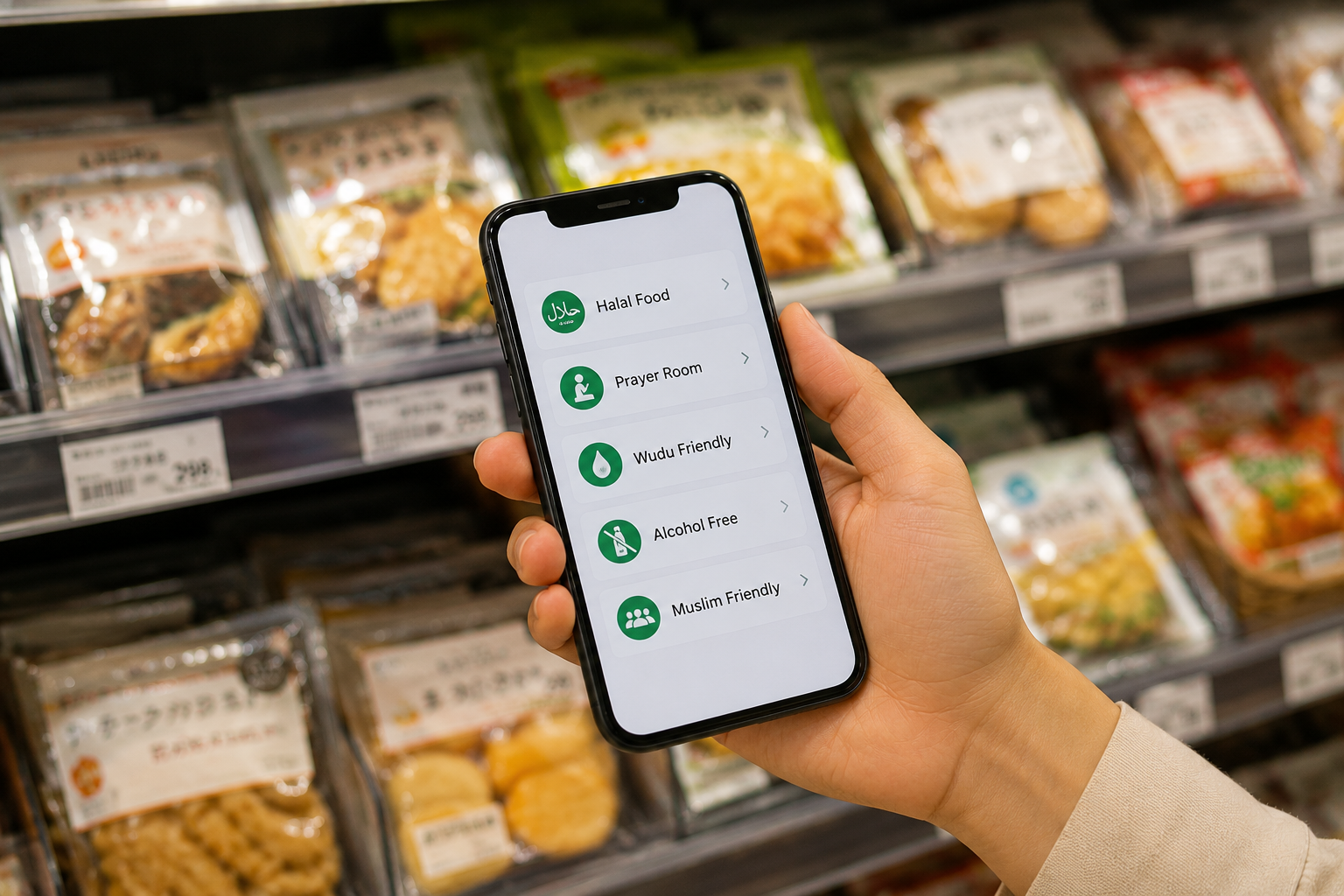
Japan has no single national halal system. Instead, there are multiple certifying bodies, each with slightly different standards.
That’s why you’ll find:
- Strictly certified restaurants
- Restaurants where only some ingredients are certified
- Non-certified places with clear Muslim-friendly efforts
This patchwork exists because halal culture is still relatively new to Japan — it’s been growing alongside tourism 💭
Bottom line: Don’t just look at the label. Check the restaurant’s website or reviews for details.
💡 Good to know: Main certifying bodies in Japan include JHA, JMA, Halal Japan, and NAHA. Different logos, but all credible.
4. Why Halal Certified Is a Great Choice ✅
Certified restaurants are a safe starting point — especially if:
- It’s your first trip to Japan
- You want a clear, easy standard
- You’re traveling with family and want to be extra careful
But even with certification, it helps to check what’s actually covered:
- Just the ingredients?
- The entire kitchen?
- Only specific menu items?
Asking once saves stress later.
➡️ Browse halal-certified restaurants here
5. How to Evaluate “Muslim Friendly” Places 🔍
“Muslim Friendly” varies a lot. So check the details.
📋 Restaurant Check-list
- ☑ Uses halal meat?
- ☑ No pork on the menu?
- ☑ Alcohol-free menu options (incl. mirin/sake)?
- ☑ Open to prayer questions?
- ☑ Separate kitchen tools?
- ☑ Staff explains ingredients clearly?
Reviews on Google Maps or Tripadvisor can fill in the rest — especially about staff helpfulness.
➡️ Browse Muslim-friendly restaurants here
6. Which Type Fits You? 🎯
→ Stick with Halal Certified
Less uncertainty. Easier to feel confident.
→ Certified + reviews
Double-check with real customer reviews before going.
→ Muslim Friendly works too
You know the system — judge by the details now.
→ Watch for alcohol seasonings
Mirin and cooking sake are common. Always ask.
7. Set Your Own Standard ☀️
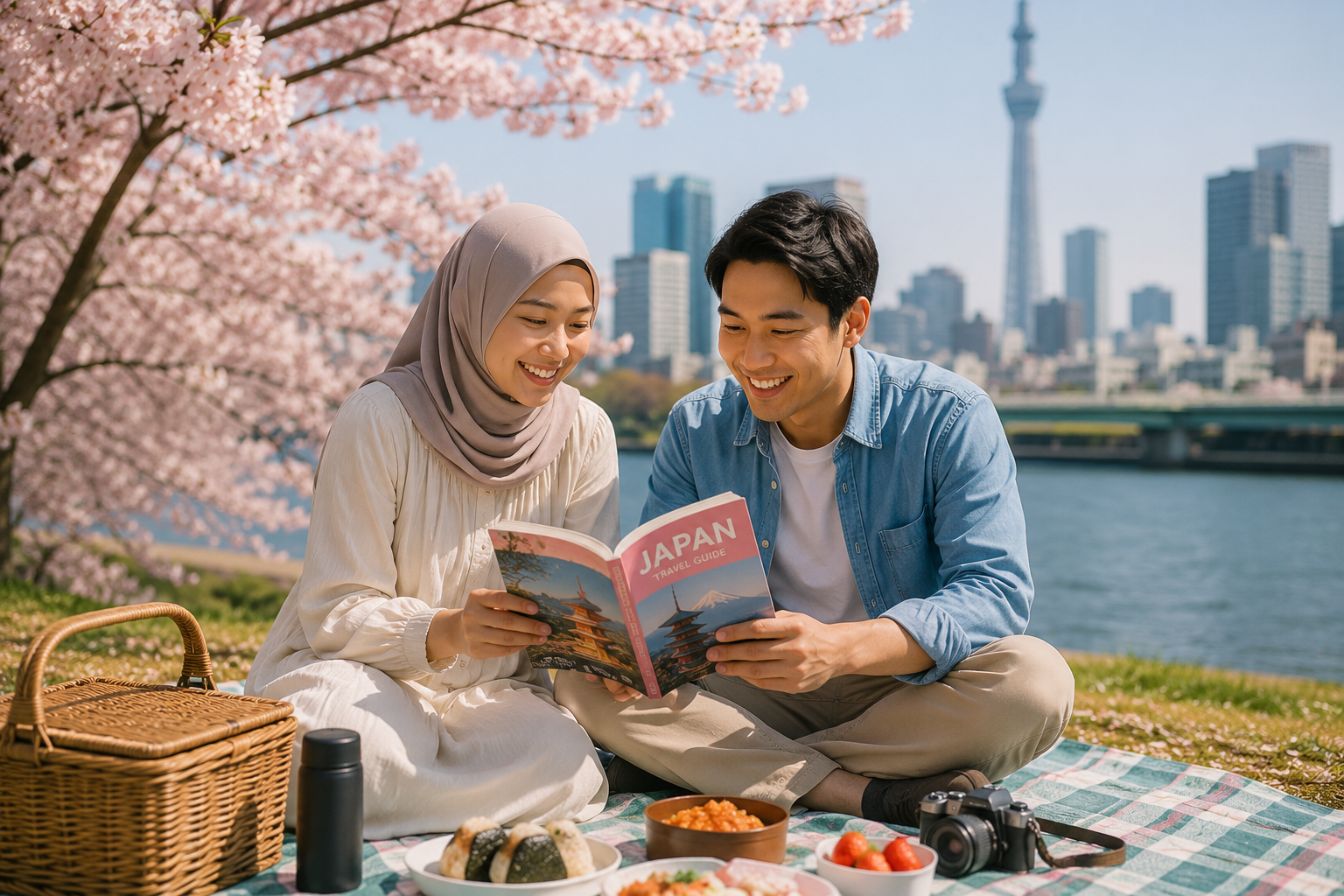
You don’t need to follow anyone else’s rules. Decide what matters most to you.
For example:
- Certification matters most
- No alcohol is the priority
- Halal meat is essential
- Separate cooking tools are important
Then check official sites and reviews to see if your priorities are clearly addressed.
Trying to compare everything perfectly will burn you out. Pick your “must-haves” first. Everything gets easier from there.
8. FAQ: Quick Answers 💬
Q. What halal certifications exist in Japan?
A. The main ones: JHA, JMA, Halal Japan, NAHA. Some restaurants also use international certifications from Malaysia, Indonesia, or Singapore.
Q. Should I avoid non-certified restaurants?
A. Not necessarily. Many non-certified places in Japan are genuinely careful about halal. If staff can clearly explain ingredients, they’re worth considering.
Q. How much can I trust “Muslim Friendly” labels?
A. Trust varies. Look for clear details on their website — like “no pork” or “no alcohol”. The more specific, the more reliable.
Q. Is mirin or cooking sake halal?
A. Typically no — both contain alcohol. When eating Japanese food, ask if they offer alcohol-free versions of dishes.
Q. Best apps for finding halal food in Japan?
A. Try Halal Gourmet Japan, Halal Navi, or HappyCow. Bookmark spots before your trip — saves a ton of time later 📱
Knowing your own priorities makes Japan’s food scene way more enjoyable 🌸
9. Final Recap 🌸
Let’s summarize:
- Halal Certified = officially verified by a third party
- Muslim Friendly = restaurant’s own effort to accommodate
- Both exist in Japan — always check the details
- Decide your own priorities first, then pick
Knowing the difference cuts down stress instantly. Enjoy your meals in Japan 🍽️✨
Helpful? Share with fellow travelers 💌
Related Articles
